Wilson on How the Mariners Improved an Already Elite Bullpen
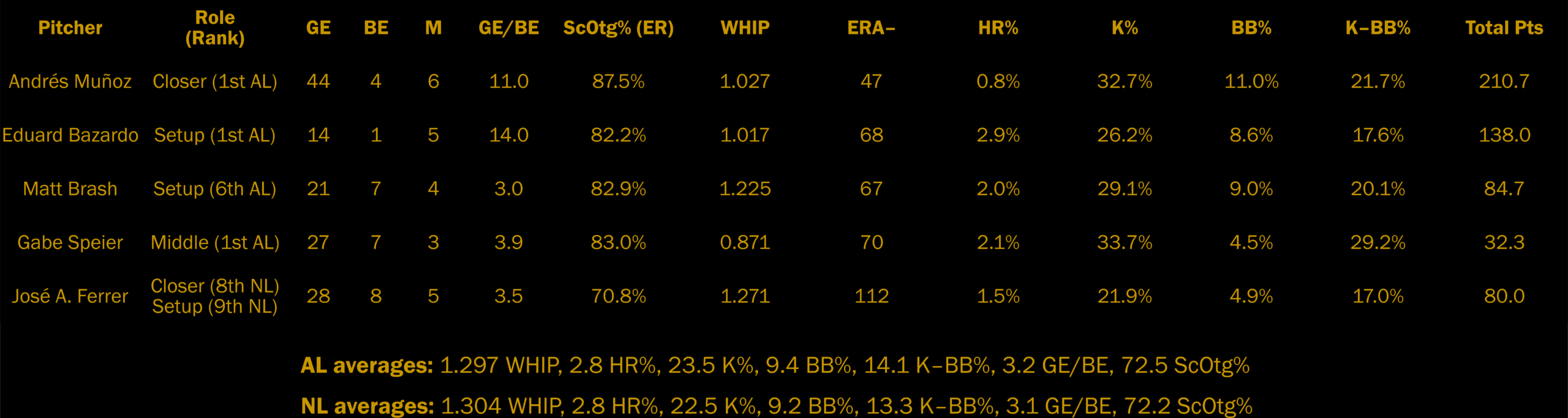
SCOTTSDALE, Ariz. — The relief corps that swept Reliever Roundup and Bullpen Bonanza’s end‑of‑year awards is arriving in Arizona with something more than hardware: reinforcements and resolve. After a season that ended with a gut‑punch loss in Game Seven of the ALCS, the Seattle Mariners have doubled down on one of their greatest strengths, adding left‑hander Jose A. Ferrer to a group already headlined by Gabe Speier, Eduard Bazardo, Matt Brash, and especially Andrés Muñoz. For Mariners manager Dan Wilson, the combination of a key offseason acquisition and the continued growth of the others is exactly what the team needs to navigate the high‑leverage moments that defined last October.
The message from early spring workouts is just as clear: the group isn’t running from what happened in Game Seven. They’re using it.
Ferrer’s Arrival and a New Left‑Handed Tandem
Those Reliever Roundup and Bullpen Bonanza honors underscored what the Mariners already knew: their ‘pen was a strength. But the front office pushed further, adding Ferrer and giving the Mariners another high‑octane left‑handed option to deploy late in games.
In a recent interview with Sport Relay, Wilson didn’t mince words about the move.
He called Ferrer “a huge acquisition,” quick to credit president of baseball operations Jerry Dipoto and general manager Justin Hollander for identifying and landing him from the Nationals. The impact, though, is as much about flexibility as raw stuff. With most Mariners starting pitchers being right-handed, opponents often stacked their lineups with left‑handed hitters. With Speier as the lone left‑handed reliever in 2025, he carried a burden that grew heavier as the season wore on.
“When you’ve only got one guy like that, the question becomes, ‘What’s the highest‑leverage spot to use him?’” Wilson explained. “You’re constantly weighing whether to wait for the perfect moment or go a little earlier and risk not having him when you need him later.”
Ferrer changes that calculus. Now, instead of threading the needle around a single left‑handed weapon, Wilson and his staff can attack earlier and more aggressively. Two late‑inning lefties — Speier and Ferrer — mean more freedom to chase matchups rather than preserve them.
Wilson expects that shift to benefit everyone, especially Speier.
Adding Ferrer “takes some of the load off Gabe,” he noted, allowing the Mariners to manage workloads more intelligently over a long season. Instead of one left-handed reliever absorbing the bulk of the high-stress innings against tough lefties, the pressure can be distributed — a subtle but meaningful edge in both October and the grind that precedes it.
Muñoz’s Maturation: From Potential to Trusted Anchor
The story of the Mariners’ relief unit isn’t merely about outside additions. It’s also about internal growth, and few embody that more than Andrés Muñoz, whom Wilson calls “Mooney.”
Wilson points first to the obvious: Muñoz’s raw stuff is elite. That was part of why the Mariners front office felt comfortable making a bold move when it traded away then-closer Paul Sewald in 2023. But electric pitches alone don’t guarantee success in the ninth inning. The league adjusts, and closers must, too.
For Muñoz, the difference has been experience and comfort in the role.
As Wilson sees it, Muñoz has undergone “a huge maturation process.” With more time in the league and more exposure to high‑leverage situations, he’s learned how to navigate the game’s tensest moments rather than simply overpower them. Each appearance in a big spot, each escape with the game on the line, has built a layer of confidence that complements his velocity and vicious slider.
“He’s come up big in a lot of huge situations,” Wilson says, and that success has fed back into his belief system. Importantly, the stuff has held — “very, very strong and very, very good,” in Wilson’s words — giving Muñoz a stable foundation to lean on as his mentality has evolved.
As a result, the Mariners no longer view Muñoz as a promising late-inning weapon-in-waiting. Grouped with Bazardo, Speier, and now Ferrer, he’s the anchor of a late‑inning mix designed to shorten games and absorb the pressure that defined last year’s postseason.
Learning from a Game Seven Gut Punch
Of course, all the relief upgrades in the world can’t erase what happened in Game Seven.
The Mariners season ended abruptly and painfully, eight outs away from the first pennant in franchise history, one that began in 1977. It’s the kind of loss that lingers in the clubhouse long after the final out. Wilson acknowledges that reality. There’s no attempt to spin it as anything but difficult.
At the same time, he leans into a philosophy familiar to managers and coaches across sports: teams often learn more from losses than from wins. A heartbreaking Game Seven lays bare every thin margin, every small weakness, every matchup that could have gone differently. It also tests a group’s resilience.
On that front, Wilson likes what he’s seen.
Throughout the offseason, conversations with players revealed a common thread: resolve. He describes the group as resilient and hungry, and that sentiment has carried into spring training. In the first days of workouts, the energy matched the words. Players were eager to get back on the field, to move from talking about the loss to doing something about it.
Looking Ahead
Wilson’s tone is optimistic without being naïve. He understands that last year’s ending will shadow this season until the Mariners write a different script in October. But he also believes that the combination of internal growth, strategic additions like Ferrer, and the hard lessons of Game Seven prepared the relievers and the club for the next defining moment.
“I think we’re going to be just fine,” he says, confidence grounded in what he’s seen over the winter and in those first spring workouts.
If last season’s final game exposed how fine the margins can be at the highest level, this year’s Mariners ‘pen, reshaped by Ferrer’s arrival and Muñoz’s continued maturation, might be exactly what they need when those margins come back into focus.
More Reliever Roundup & Bullpen Bonanza Articles
More Seattle Mariners Articles
More MLB Articles
Main Photo:
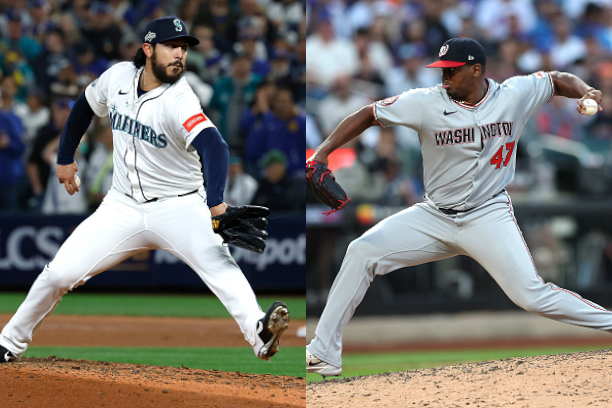
The main photo is a mosaic of the following two images.
Embed from Getty Images
Embed from Getty Images